
 Image 1 of 6
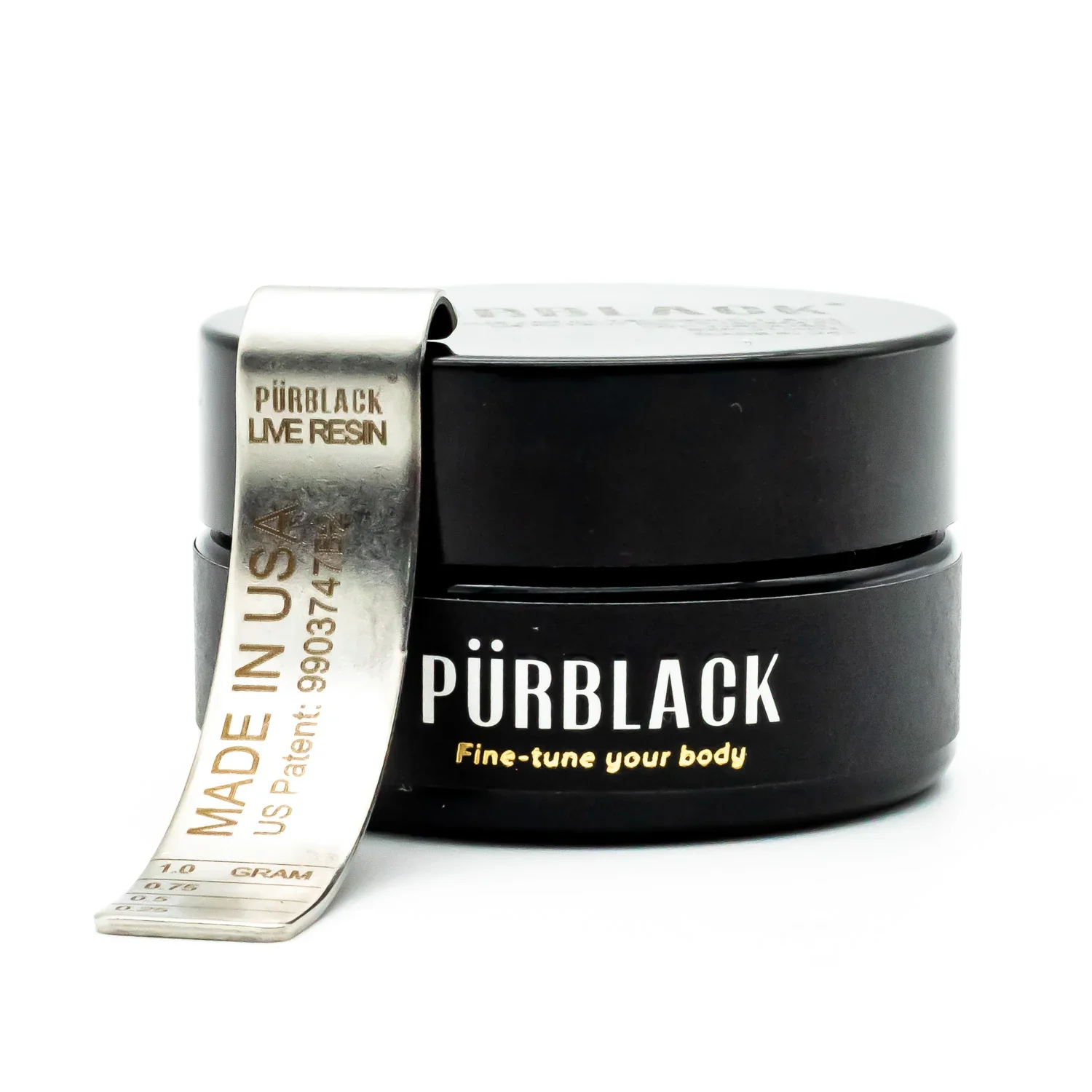 Image 2 of 6
 Image 3 of 6
 Image 4 of 6
 Image 5 of 6
 Image 6 of 6
🌈 The important compounds of shilajit are almost all colour pigments. They include:
Humic acids (brown-black)
These are the principle carbon-based compounds of soils. Ashless humic acids and humates are principal active ingredients of Shilajit. These have anti-viral effects. Humic acids are known to partially neutralize graphene oxide in aquatic environments. (https://pubmed.ncbi.nlm.nih.gov/30173026/)
Fulvic acid (brown-black)
This is a lighter form of humic acid containing more oxygen. Fulvic acid is a “carrier molecule” that helps transport nutrients to and away from cells. Fulvic acid is excellent for detoxification.
Phenolic acids (colorless or pale yellow)
These the basic building blocks of flavonoids. They are co-enzymes in that they boost the absorption of nutrients like vitamin C.
Dibenzo-alpha pyrones and biphenylcarboxylates (brown)
These are the unique health giving compounds in shilajit. They help with energy production in the cell via epigenetic signaling (on the cell membrane). These compounds are believed to work synergistically with hemp and balancing out the effects of cannabis.
Iron-containing quinones (yellow to red)
These compounds may act like super antioxidants.
🌈 Important colorless compounds in Shilajit include:
Phospholipids (oils): These help with the uptake of omega 3 fatty acids.
• Triterpenes: These are bitter cancer-fighting compounds often found in medicinal mushrooms.
Shilajit typically contains 84 minerals. Shilajit’s most studied minerals include: carbon, iron, calcium copper, zinc, magnesium, manganese, molybdenum and phosphorus.
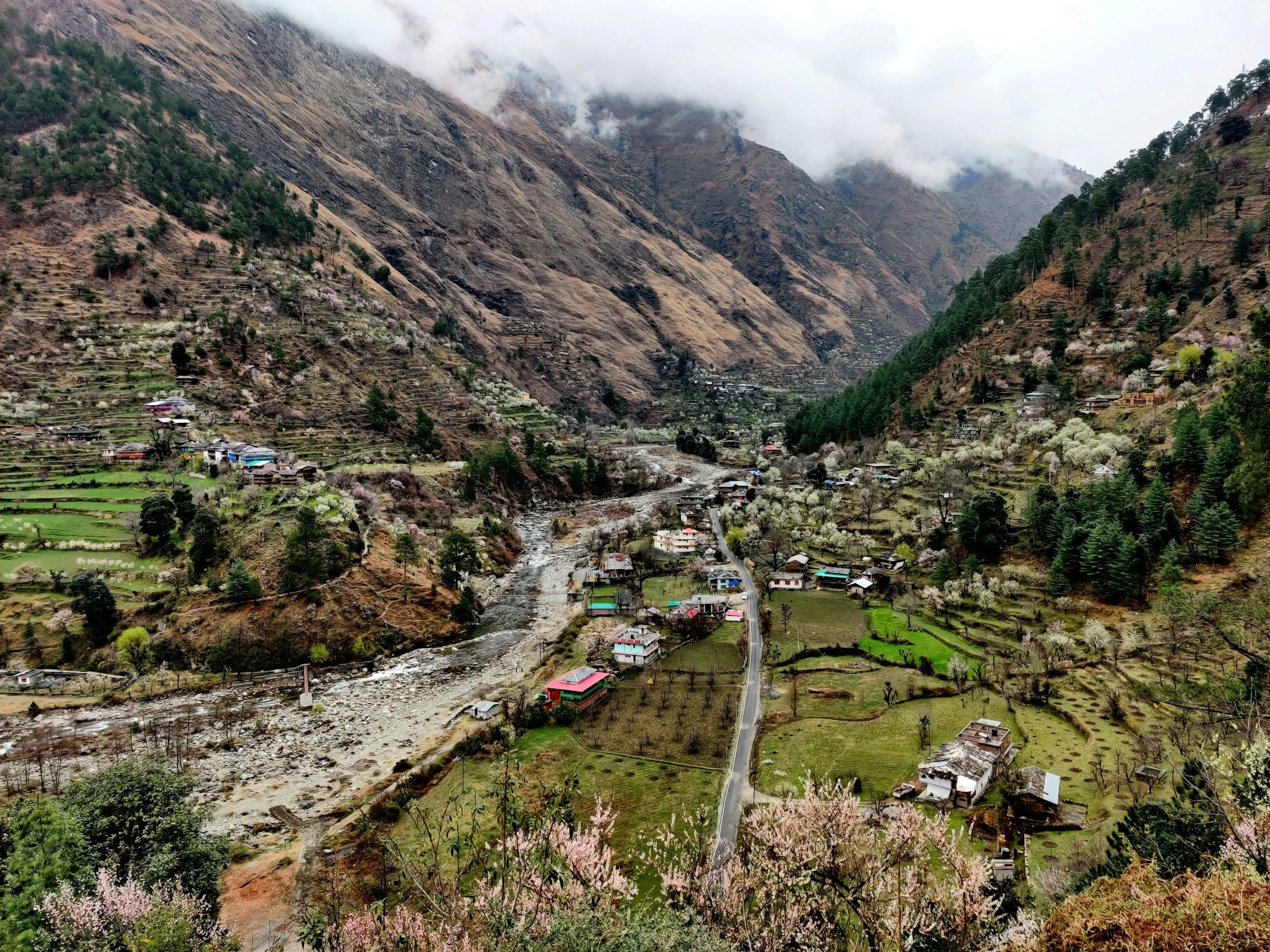
⚫️ Shilajit is a brown-to-black mineral resin or tar of organic origin that emerges from rock strata in the high Himalayas and Hindukush range and Ural Mountains yet is also found in the Rocky Mountains of North America, in mountainous regions of Northern Europe and in Antarctica amongst other places. Shilajit literally means “born of stone” and is often referenced as the “destroyer of weakness.” It is considered a pre-eminent tonic in Ayurvedic medicine. It is a carbon-rich, black longevity substance.
🏔 Shilajit’s legend and lore speaks of observations made by villagers high up in the Himalayas that led to its discovery. These villagers observed that monkeys would migrate up into local mountain regions in the warm summer months. They noticed these monkeys chewing semi-soft goo-like substances that oozed from between layers of rock in the summer. The villagers attributed these monkey’s notable strength, longevity and intuition to this strange black tar-like substance. The villagers began to incorporate Shilajit into their own diets and achieved a broad spectrum of improvements in health. They reported more energy, a positive change in how their bodies dealt with stress, improvements in digestion, increased sex drive, improvements in memory and cognition, and improvements in the quality and quantity of life. These are the benefits still ascribed to Shilajit today.
🏔 Himalayan natives usually get the recognition for the discovery of shilajit resin, but anecdotal evidence shows that locals around the Altai mountain ranges of Russian Tartaria have been using the substance earlier. They called it mumie.
⚫️ The main mechanism in which Shilajit works is that the fulvic acid drives the dibenzo-alpha pyrones and biphenylcarboxylates to the cells. This combination is believed to deliver the following effects based on historical use and scientific research with animal:
Antiallergenic
Anti-diabetic
Anti-inflammatory
Antioxidant
Anti-stress
Anti-ulcer
Aphrodisiac
Improved cognition and memory
Improved production of white blood cells
Nutritive
Painkilling effects
⚫️ Shilajit is often associated with the sacred, super-medicine known as Soma of the ancient Vedic text: the Rig Veda. The Rig Veda mentions that soma “has mountains and stones for its body” and “dwells within the mountainous rocks where it grows.” Shilajit emerges as a thick tar from rock sediments on steep cliff ledges and faces anywhere from between 4000-5000 meters in altitude, although lower altitude Shilajit samples have been reported.
⛰ How is Shilajit created? The latest scientific research indicates that Shilajit may be created by an interaction of Sun-heated rocks, soil, and the roots of high-altitude plants, algae, mosses and microorganisms. Although the most well-known Shilajit originates in the Himalayas and Hindukush mountain ranges, Shilajit resins also show up in other high altitude mountain ranges around the world at particular altitudes. This indicates that a particular phenomenon creates Shilajit or causes it.
⚫️ Pürblack™ outperforms all conventionally made Shilajit and Mumie resins in quality and efficacy.
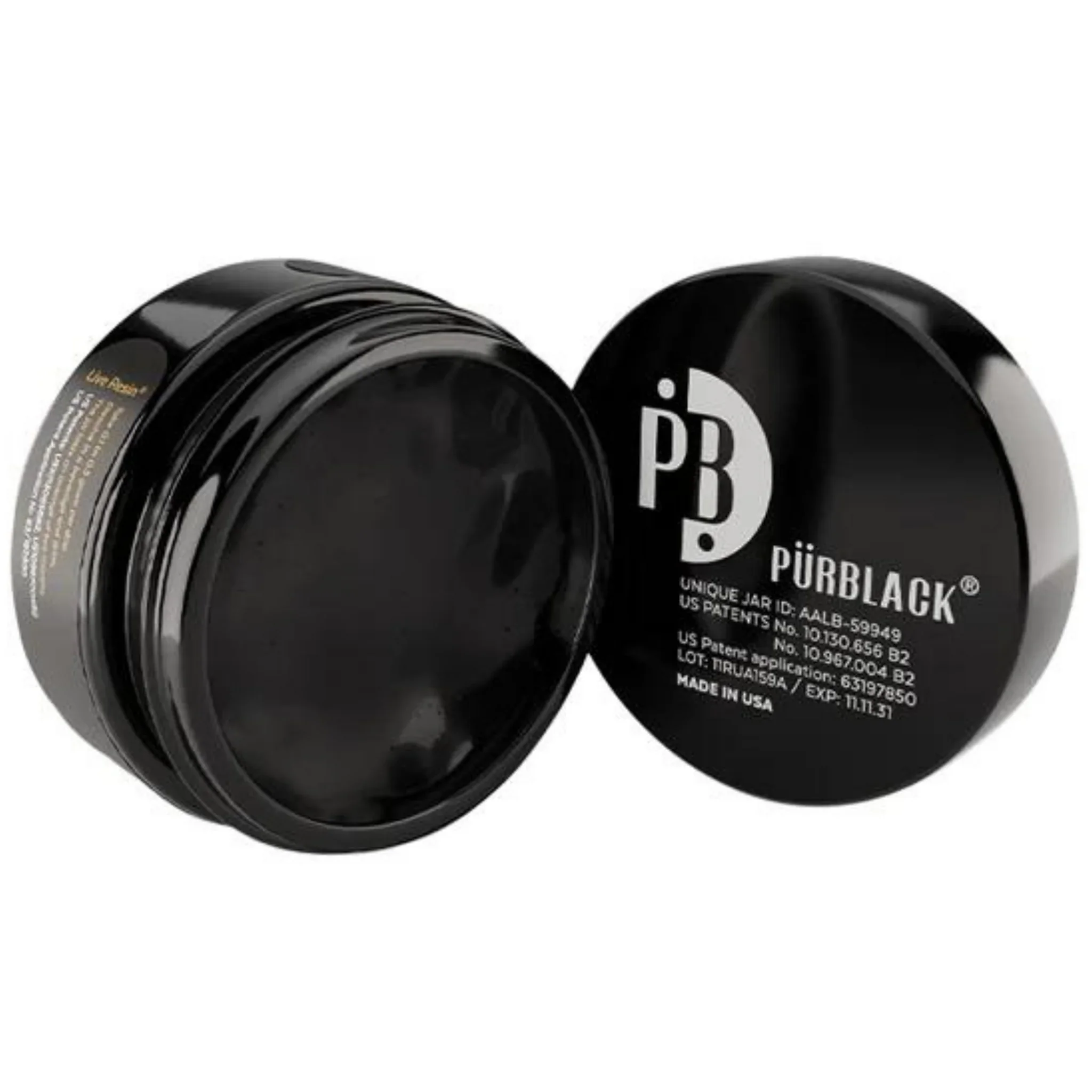
Manufactured under (US Patent:10,130,656 Application: 16/167,200). Each jar has an individual serial number linked to the Pürblack Database to ensure quality control. Pürblack Shilajit manufacturing is fully controlled by a US company.
Authenticity and safety
FDA requirements COMPLIANT. Comprehensive, transparent, testing. Prior notice filings.
Certificate of Analysis and Independent testing are public.
Passes all authenticity tests for Pürblack Live Resin, Shilajit and Mumie.
Tested for safety and purity. Each batch tested in independent US labs.
Each jar has a permanent individual serial number matching the content.
Highest level of protection against counterfeits from India and Russia.
How to identify fake shilajit
Over 95% of “Shilajit supplements” on the market are imitations containing little to no genuine substance, sold in a powdered form, or turned into Shilajit capsules. Real Shilajit, as described in the ancient Vedic medical text Charaka Samhita, was always a resin. The same substance known as Mumie or Moomijo used in the North by Siberian natives was always in resin form as well. Powdered varieties usually get their bioactives from soil extractions with some actual resin added to them. Fillers are generally used to give the pretense of having more while keeping the price down. Various terms like “natural” or “organic” are usually in the label.
The manufacturers hype the origins too by claiming that it is “Himalayan Shilajit” or “Nepali Shilajit,” as an attempt to add legitimacy. It is impossible to ascertain the truth unless the manufacturer or marketers video-documented and geo-tagged the material from the collection point all the way to packaging it.
Those manufacturers also tend to overemphasize fulvic acid content, an ingredient found in soils and used in fertilizer. When it comes to efficacy, fulvic acid depends significantly on the source. Fulvic acid extracted from soil remains substandard, as compared to that contained in Shilajit. Furthermore, what makes Pürblack unique are its ashless humic acids, and not merely its fulvic acid content.